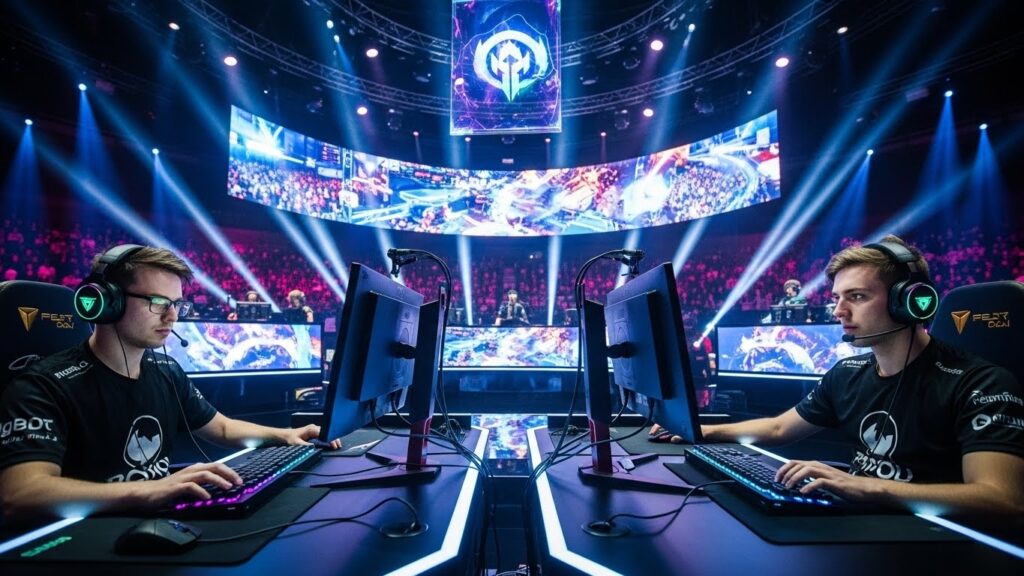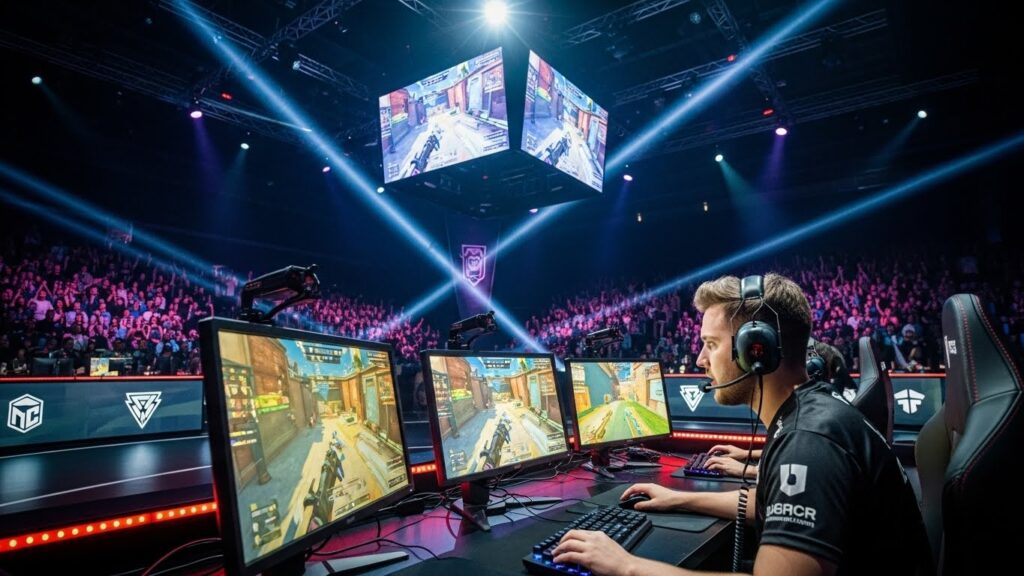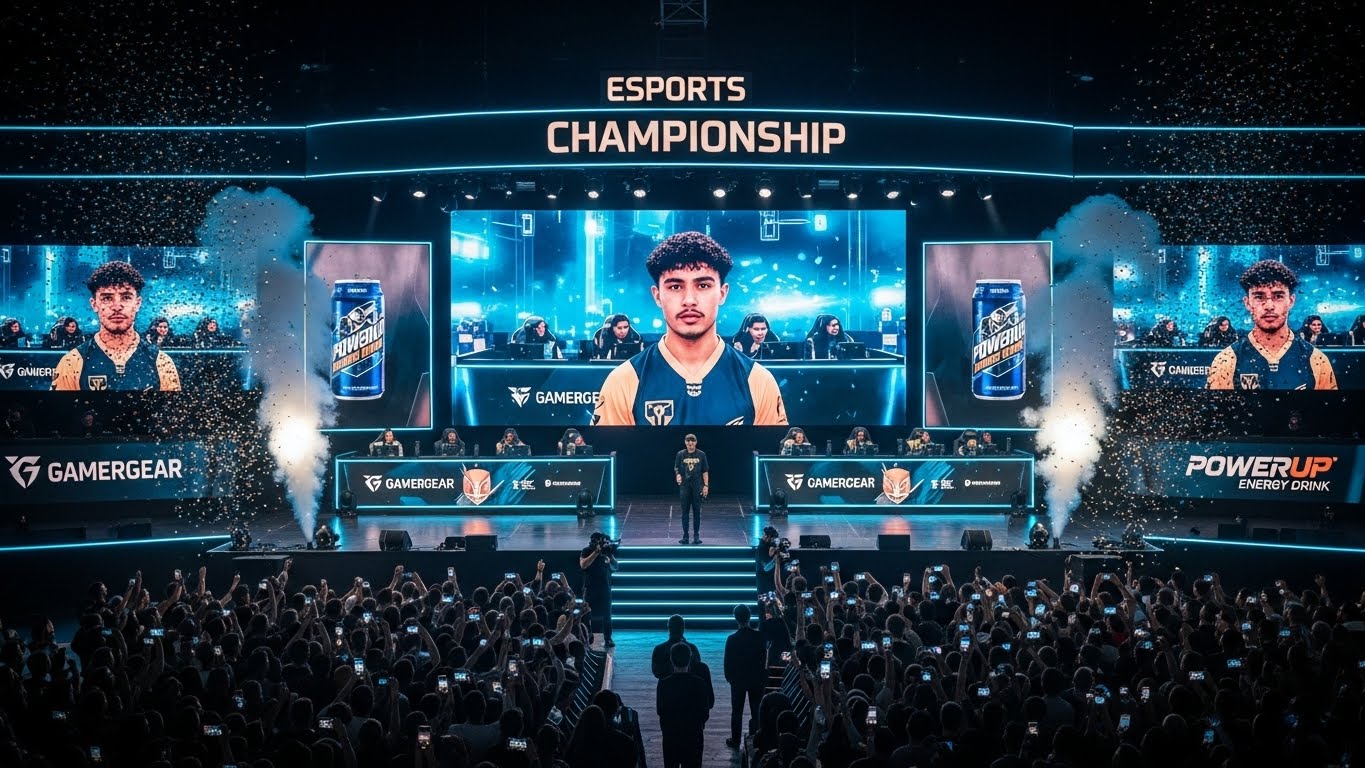
The world of competitive gaming, known as esports, has transformed entertainment, sports, and digital culture over the past decade. What started as a niche hobby among gaming enthusiasts has evolved into a global industry generating billions of dollars in revenue, drawing millions of viewers, and producing professional players who rival traditional athletes in fame and skill. Esports encompasses organized, multiplayer video game competitions that range from local tournaments to massive international championships. This blog explores the evolution, types, benefits, challenges, and future of esports, highlighting its growing influence on modern society.
Understanding Esports
Esports, short for electronic sports, refers to competitive video gaming played professionally or semi-professionally. Unlike casual gaming, esports emphasizes skill, strategy, teamwork, and performance under pressure. Competitions can be individual or team-based, and games span multiple genres, including first-person shooters, real-time strategy, multiplayer online battle arenas, sports simulations, and fighting games.
What sets esports apart is its structure and professionalism. Players often join teams, train extensively, and participate in organized leagues or tournaments with structured rules, schedules, and prize pools. Esports combines the excitement of traditional sports with the interactivity and digital innovation of video games, creating a unique form of entertainment.
The Evolution of Esports
Esports has grown from small gatherings of gamers to a massive global industry. The roots of esports can be traced back to the 1970s, when early video game competitions, such as arcade high-score contests, began to emerge. By the 1990s, networked computer games allowed players to compete online, marking the first steps toward modern esports.
The early 2000s saw the rise of professional tournaments, particularly in South Korea, where games like StarCraft became cultural phenomena. Professional players achieved celebrity status, and organized leagues began offering substantial prize money. This period marked the beginning of esports as a recognized competitive activity.
In the 2010s, the industry experienced explosive growth, driven by online streaming platforms, sponsorship deals, and international tournaments. Games like League of Legends, Dota 2, Counter-Strike: Global Offensive, and Fortnite became household names, with millions of viewers tuning in to watch live competitions. Esports has now become a mainstream form of entertainment, with professional teams, dedicated stadiums, and global fanbases rivaling traditional sports leagues.
Popular Esports Genres
Esports encompasses a variety of game genres, each offering distinct competitive experiences.
First-Person Shooters
First-person shooters, or FPS games, focus on precision, reflexes, and strategy. Popular titles include Counter-Strike: Global Offensive, Call of Duty, and Valorant. Players must work individually and as a team to achieve objectives, often in fast-paced and highly strategic matches.
Multiplayer Online Battle Arenas
Multiplayer online battle arena (MOBA) games emphasize strategy, teamwork, and resource management. Games like League of Legends and Dota 2 require players to coordinate roles, control the map, and execute complex strategies to defeat opponents. MOBAs are known for their high skill ceilings and dynamic gameplay.
Real-Time Strategy Games
Real-time strategy (RTS) games focus on managing resources, building units, and executing strategic maneuvers in real time. Titles like StarCraft have been foundational in esports, challenging players’ multitasking abilities, tactical thinking, and long-term planning.
Sports Simulations
Sports simulation games replicate real-world sports, including FIFA, NBA 2K, and Madden NFL. Players can compete individually or as part of virtual teams, and esports leagues for these games mirror professional sports structures.
Fighting Games
Fighting games such as Street Fighter, Tekken, and Super Smash Bros. emphasize individual skill, timing, and reaction speed. Competitions often feature head-to-head matches, requiring precision and mastery of character mechanics.
Battle Royale Games
Battle royale games, including Fortnite and PUBG, involve large groups of players competing until only one player or team remains. These games require strategic movement, resource management, and adaptability, combining action, survival, and competition.
Benefits of Esports
Esports offers numerous benefits, from cognitive development to economic opportunities.
Skill Development
Esports enhances skills such as strategic thinking, teamwork, decision-making, hand-eye coordination, and reflexes. Players must analyze complex situations quickly, adapt strategies, and communicate effectively with teammates. These skills are transferable to real-world scenarios, including problem-solving and leadership.
Career Opportunities
Esports has created professional careers beyond playing games. Players can join teams, earn salaries, and compete for prize money. Additionally, opportunities exist in coaching, event organization, content creation, broadcasting, marketing, and game development. The industry has become a viable career path for talented individuals worldwide.
Entertainment and Community
Esports provides entertainment for millions of viewers globally. Streaming platforms allow fans to watch live matches, engage with players, and participate in online communities. The social and interactive nature of esports fosters a sense of belonging and shared experience.
Educational Value
Esports teaches valuable lessons in strategy, resource management, communication, and perseverance. Schools and universities increasingly recognize esports programs, integrating competitive gaming into extracurricular and academic activities to develop teamwork, leadership, and technical skills.
Economic Impact
The esports industry contributes significantly to the global economy. Professional leagues, sponsorships, merchandise sales, media rights, and event ticketing generate substantial revenue. Cities hosting major tournaments benefit from tourism, infrastructure development, and international exposure.
Challenges Facing Esports
Despite its growth, esports faces several challenges that require attention.
Health and Wellbeing
Professional players often face long hours of practice, which can lead to physical strain, mental fatigue, and burnout. Ensuring balanced training schedules, regular exercise, and mental health support is crucial for sustaining careers.
Online Harassment and Toxicity
Competitive online environments can expose players to harassment, cyberbullying, and toxic behavior. Developers and communities must enforce moderation, fair play policies, and respectful interaction to create a safe environment.
Regulatory and Legal Issues
Esports is a global industry, but regulations vary across regions. Legal issues include player contracts, tournament rules, age restrictions, and intellectual property concerns. Standardized regulations are necessary to protect players, teams, and organizers.
Accessibility and Inclusion
Esports can sometimes exclude certain demographics due to high costs of equipment, limited internet access, or gender disparities. Expanding accessibility and promoting inclusivity are essential for the continued growth of esports.
Financial Stability
While top-tier players earn substantial salaries, many aspiring professionals struggle to sustain themselves. Sponsorships, team contracts, and prize money are not guaranteed, making financial stability a challenge for emerging talent.
Technology and Esports
Technology plays a central role in the development and expansion of esports.
Streaming Platforms
Streaming platforms like Twitch, YouTube Gaming, and others enable players to broadcast matches and engage with global audiences. Live streaming has fueled esports popularity, turning players into celebrities and fostering global fan communities.
Performance Analytics
Advanced analytics track player performance, in-game statistics, and team dynamics. Analytics tools help players improve skills, refine strategies, and gain competitive advantages. Teams use data-driven insights to prepare for matches and optimize training.
Virtual and Augmented Reality
Emerging VR and AR technologies have the potential to revolutionize esports by creating immersive spectator experiences, interactive gameplay, and innovative training methods. These technologies expand both the player and viewer experience.
High-Speed Connectivity
Esports relies on stable, high-speed internet connections to ensure fair and competitive play. Advances in networking and cloud gaming have improved accessibility and performance, enabling players worldwide to compete in real time.
The Future of Esports
The future of esports promises continued growth, innovation, and mainstream integration.
Global Expansion
Esports will continue to expand into new regions, with emerging markets in Asia, Africa, and Latin America providing opportunities for players, teams, and organizers. Increased internet access and technological adoption will drive participation and viewership.
Esports in Education
Schools and universities will increasingly integrate esports into programs, offering scholarships, academic courses, and extracurricular opportunities. Competitive gaming will become recognized for its educational and skill-building potential.
Advanced Spectator Experiences
Innovations in VR, AR, and interactive streaming will enhance the spectator experience, allowing fans to engage with matches in unprecedented ways. Virtual stadiums, multi-angle viewing, and interactive features will make esports more immersive for audiences.
Mainstream Recognition
Esports is likely to gain broader recognition as a legitimate sport, with professional leagues, standardized regulations, and international competitions. Esports may even feature more prominently in global multi-sport events, enhancing visibility and credibility.
Integration with Traditional Sports
Collaborations between esports and traditional sports organizations will grow, blending fanbases, sponsorship opportunities, and event formats. Professional athletes may increasingly participate in esports initiatives, bridging the gap between physical and digital sports.
Conclusion
Esports has emerged as a powerful force in entertainment, sports, and digital culture. From small-scale competitions to global tournaments, esports combines skill, strategy, and teamwork with the excitement of modern technology. The industry provides cognitive, social, and economic benefits, while also presenting challenges in health, accessibility, and regulation.
Technology continues to drive esports forward, enhancing gameplay, analysis, and spectator experiences. The future promises global expansion, educational integration, immersive viewing, and mainstream recognition. As esports continues to grow, it will reshape the landscape of competitive entertainment, create new opportunities for players and communities, and redefine how the world experiences games.
Esports is more than a trend; it is a cultural and economic phenomenon that reflects the evolution of gaming, technology, and social interaction in the digital age. Its influence will continue to expand, inspiring players, entertaining audiences, and transforming the definition of competition for generations to come.